
Travel Tips · 8 min read · May 2026
Best Time to Visit Maldives: Weather, Seasons, and Insider Timing
There is no single best month for the Maldives. IMJ breaks down what each season actually delivers — weather, marine life, pricing, and atmosphere — so you can choose the window that fits your trip.

The Maldives is one of the few luxury destinations where the seasonality question genuinely matters — not because the destination is closed in any month, but because the weather, marine life, pricing, and resort atmosphere all shift meaningfully across the year. Understanding what each window actually delivers is how you choose the right timing for your trip.
IMJ's guidance goes beyond the standard 'dry season good, wet season bad' summary. The truth is more nuanced — and more interesting.
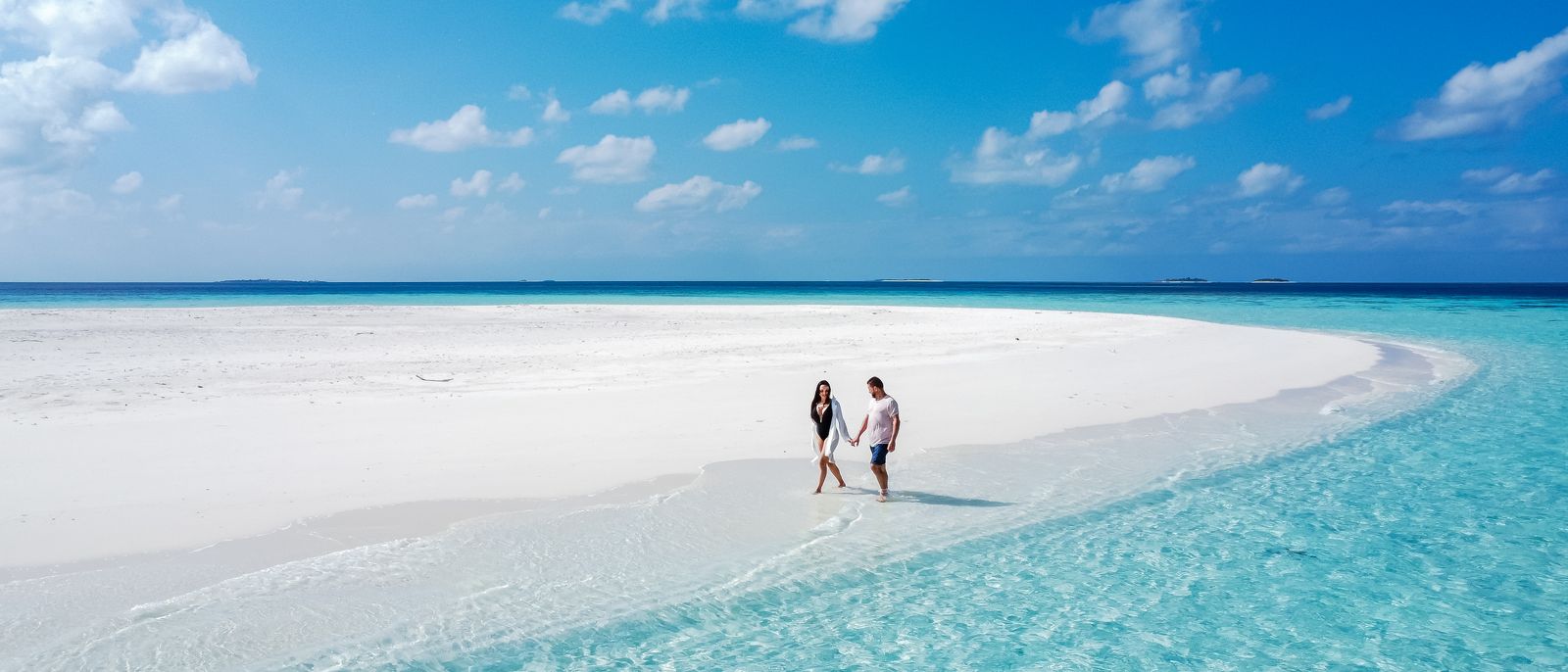
The Dry Season: December to April
December through April is the northeast monsoon — the dry season. This is the Maldives at its most consistent: calm seas, low humidity, reliably blue skies, and ideal snorkeling and diving visibility. January and February are the clearest months. April retains the quality but begins to warm, and pricing starts to soften as the peak season demand eases.
December, particularly from the 20th through early January, is peak festive season.
December, particularly from the 20th through early January, is peak festive season. Resorts are at their most vibrant, their most expensive, and their most advance-booked. For guests wanting a festive or New Year Maldives experience, this is the right time — but booking 6–9 months ahead is essential for the best resorts and villa categories.
The Shoulder Season: April–May and October–November
April and May mark the transition into the southwest monsoon. April often retains dry-season conditions while prices begin to ease. May is variable — early May can be excellent, while late May sees increasing cloud and the first monsoon rains. For value-conscious travelers who want near-peak-season weather at shoulder-season rates, early May is often the best single month in the calendar.
October is the transition back from the monsoon — similar to May in reverse. Weather improves through the month, and by late October conditions are often excellent. October pricing is typically among the most competitive of the year. November is close to dry-season quality at prices that are still more accessible than December.
The Wet Season: June to September
June through September is the southwest monsoon. This is the period that guests approach most cautiously — and often unnecessarily. Rain in the Maldives during monsoon season is not the all-day, curtain-of-rain experience of continental monsoon systems. It typically arrives in afternoon showers of 30–90 minutes, often followed by clear evening skies. Mornings are frequently calm and clear.
For wellness travelers, couples who want a quieter resort atmosphere, surfers heading to the south swells, and guests who are genuinely flexible on weather but firm on cost, the monsoon season can be the most rewarding choice. IMJ advises on which resorts and atolls perform best in the monsoon months — some are significantly more sheltered than others.
Marine Life and the Calendar
The best time to visit also depends on what you want to see. Manta rays in Baa Atoll's Hanifaru Bay peak from June to November — counterintuitively, the wet season is the best window for manta encounters. Whale sharks in South Ari Atoll are present year-round but more reliably encountered from December to April. Hammerhead sharks in certain channels appear in June and July. IMJ factors marine life priorities into timing recommendations for guests who are planning around specific encounters.
IMJ Travels · May 2026