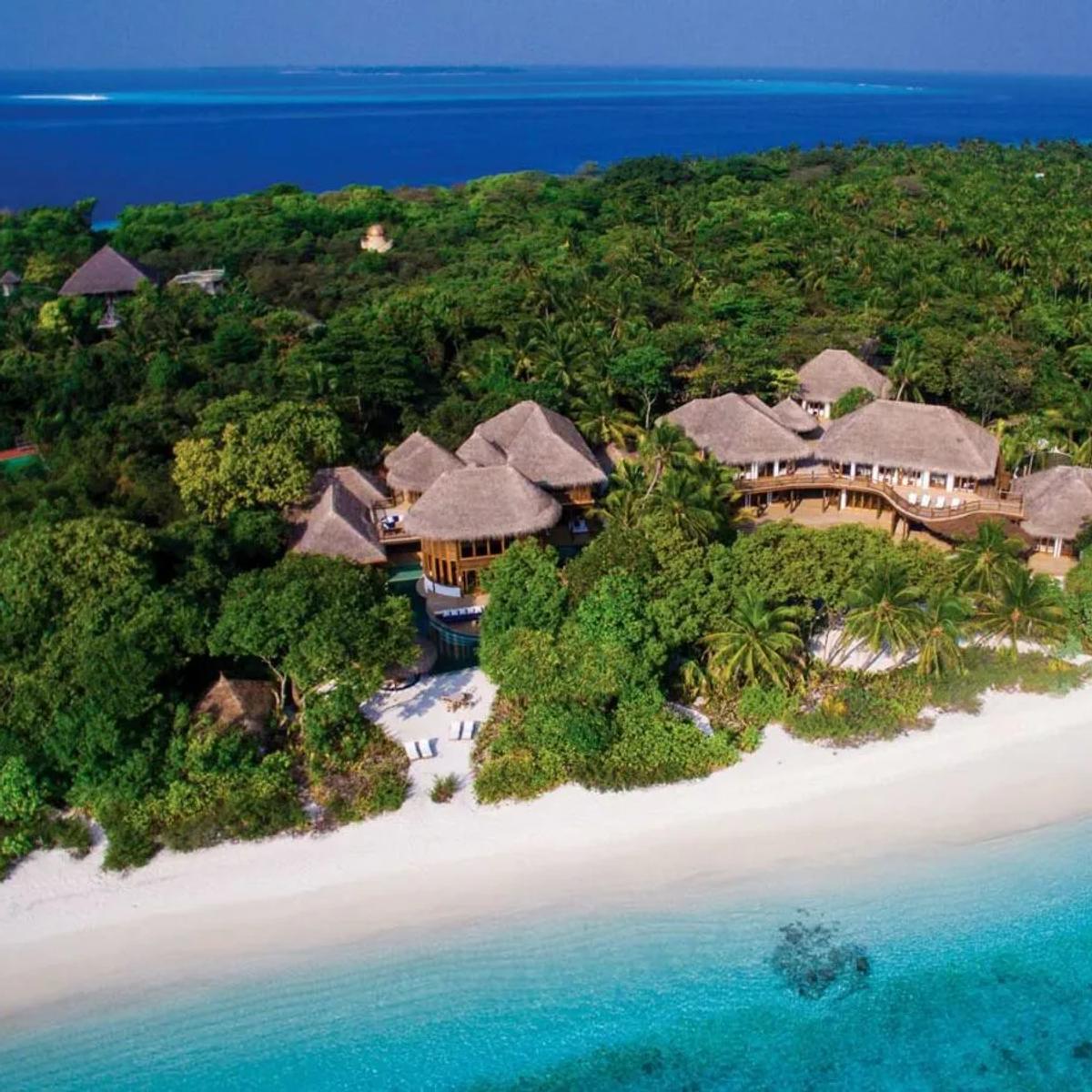
Travel Tips · 10 min read · May 2026
Maldives Travel Guide: Everything to Know Before Your Island Escape
Plan your Maldives trip with IMJ: resorts, transfers, weather, villas, entry requirements, experiences, and how to choose the right island.
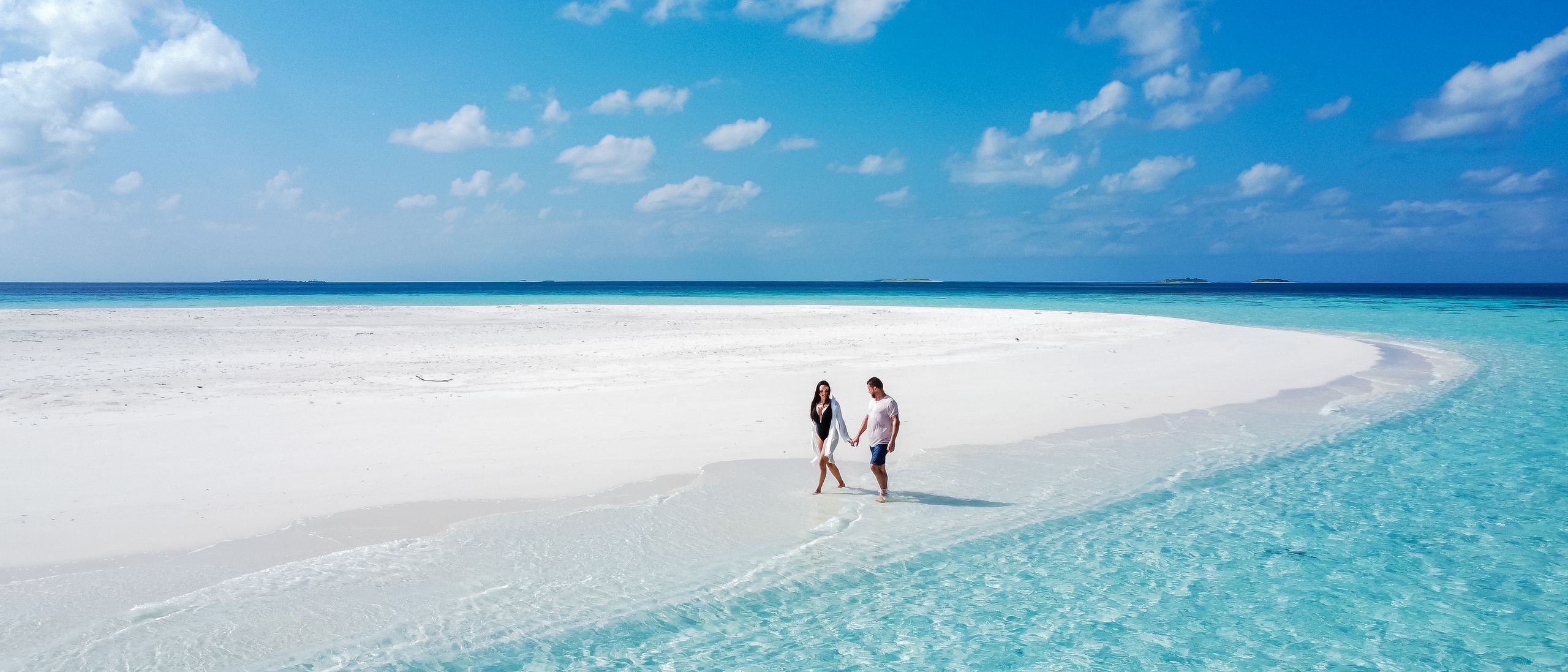
The Maldives is not one destination — it is hundreds of private islands, each with a different pace, reef, dining style, and emotional character. This guide covers the decisions that shape every trip: which atoll, which transfer, what time of year, which villa, and how to build experiences worth travelling for.
The Maldives is often described in simple language: turquoise water, white sand, overwater villas, and sunshine. All of that is true, but it does not explain why planning a Maldives trip feels different from planning almost any other beach escape. The Maldives is an island nation spread across the Indian Ocean, with private island resorts, local islands, liveaboards, and atolls that each carry a different rhythm.
Your choice of island shapes everything: how you arrive, what the lagoon looks like, whether the house reef is strong, how private the villa feels, how many dining venues you have, and how easy it is to build experiences around your stay. At IMJ Travels, we approach the Maldives as a canvas for conscious luxury — immersive, mindful, and joyful.
How Maldives Resorts and Atolls Work
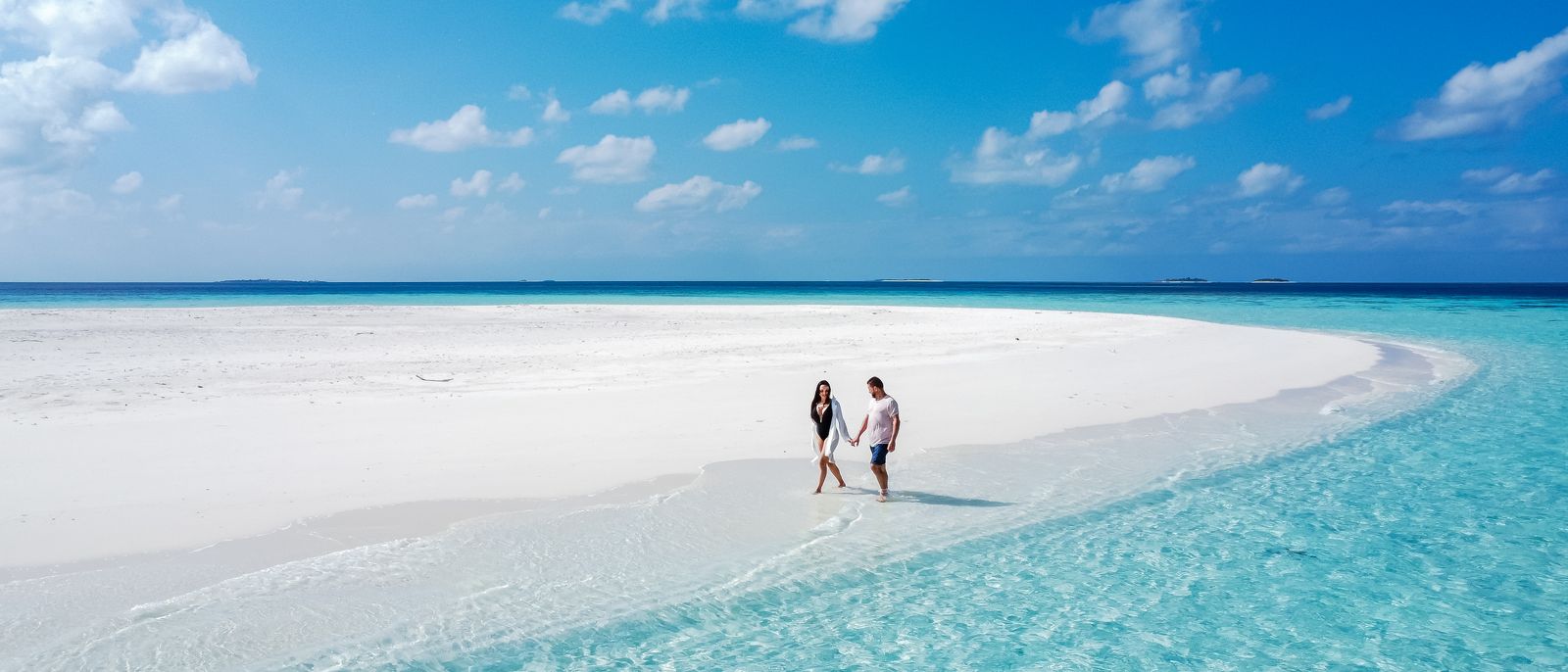
Most luxury resorts in the Maldives occupy their own private island. This gives the destination its famous privacy, but it also means you should choose carefully. Once you arrive at the resort, that island becomes your world — the restaurants, spa, reef, beach, lagoon, sports, and atmosphere are all part of one self-contained experience.
Atolls matter because they affect transfer type, marine life, resort density, and the overall mood of the stay.
Atolls matter because they affect transfer type, marine life, resort density, and the overall mood of the stay. North and South Malé Atoll resorts are usually easier to reach by speedboat, helpful for shorter trips. Baa Atoll is a UNESCO Biosphere Reserve known for manta encounters. Noonu Atoll has several ultra-luxury names with a more remote, polished feel. South Ari Atoll is especially relevant for whale shark experiences. Laamu, where Six Senses Laamu sits, feels more distant and less developed — which can be part of its beauty.
Best Time to Visit the Maldives
The Maldives is a year-round destination, but the seasons change the mood. The dry season generally brings calmer seas, clearer skies, and peak pricing, while the southwest monsoon brings more changeable weather, softer demand, and often better value. January and February are especially strong for blue skies and calm conditions.
May to October should not be dismissed. Rain often arrives in showers rather than all-day grey, and the softer season can be appealing for wellness retreats, surfers, value-conscious luxury travelers, and guests who prefer quieter resorts. The best month depends on what matters most: weather, marine life, budget, crowds, diving visibility, or festive atmosphere.
| Month | Season | Weather | Best For |
|---|---|---|---|
| January–April | Dry season | Sunny, calm seas | Peak quality, honeymoons, diving visibility |
| December | Dry season | Excellent | Festive atmosphere, peak demand — book early |
| May | Transition | Variable — can be pleasant | Value, quieter resorts, lush greenery |
| June–August | Southwest monsoon | Rain showers, some rough seas | Surfers, wellness retreats, soft pricing |
| September–October | Transition / monsoon tail | Improving | Shoulder season value, manta season (Baa Atoll) |
| November | Early dry | Generally good | Strong quality at better prices than December |
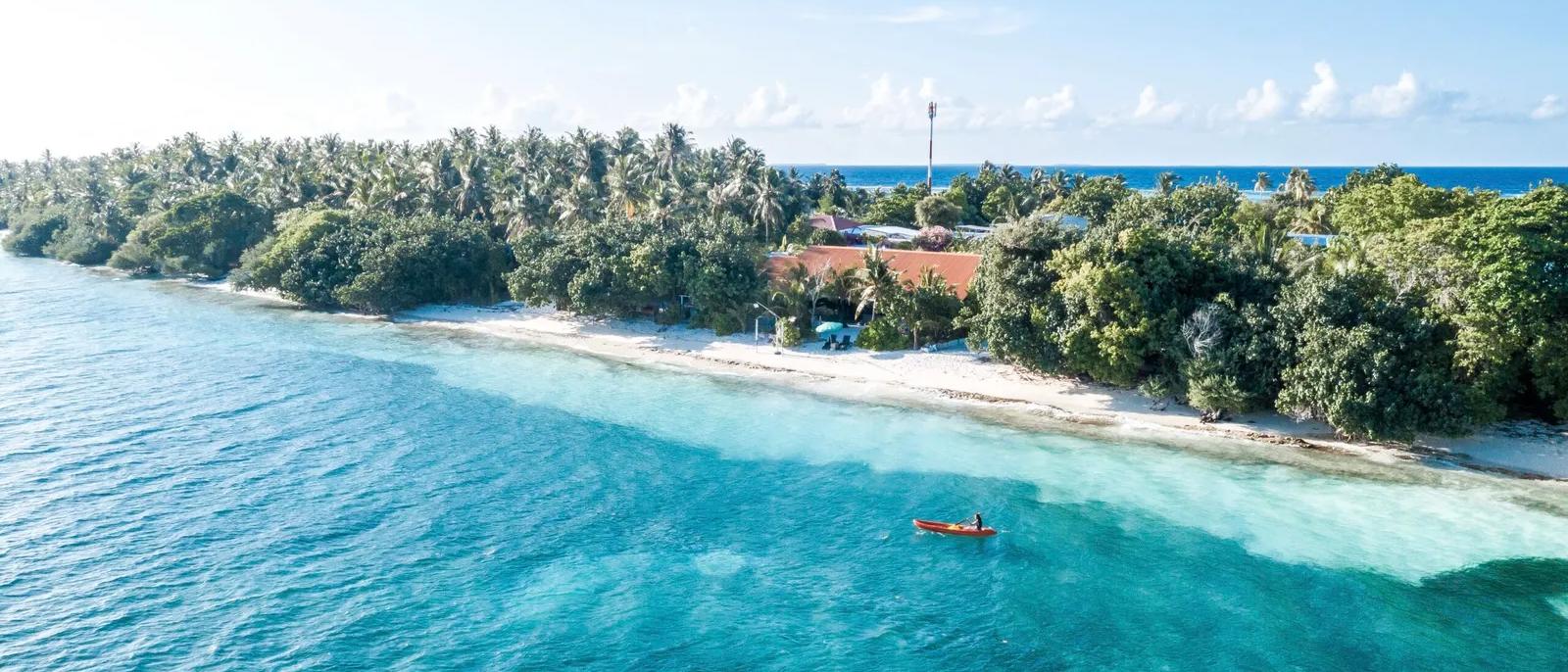
Not sure when to travel to the Maldives? Tell IMJ your priorities — weather, marine life, budget, or festive timing — and we'll recommend the best window for your specific trip.
Transfers: Seaplane, Speedboat, or Domestic Flight
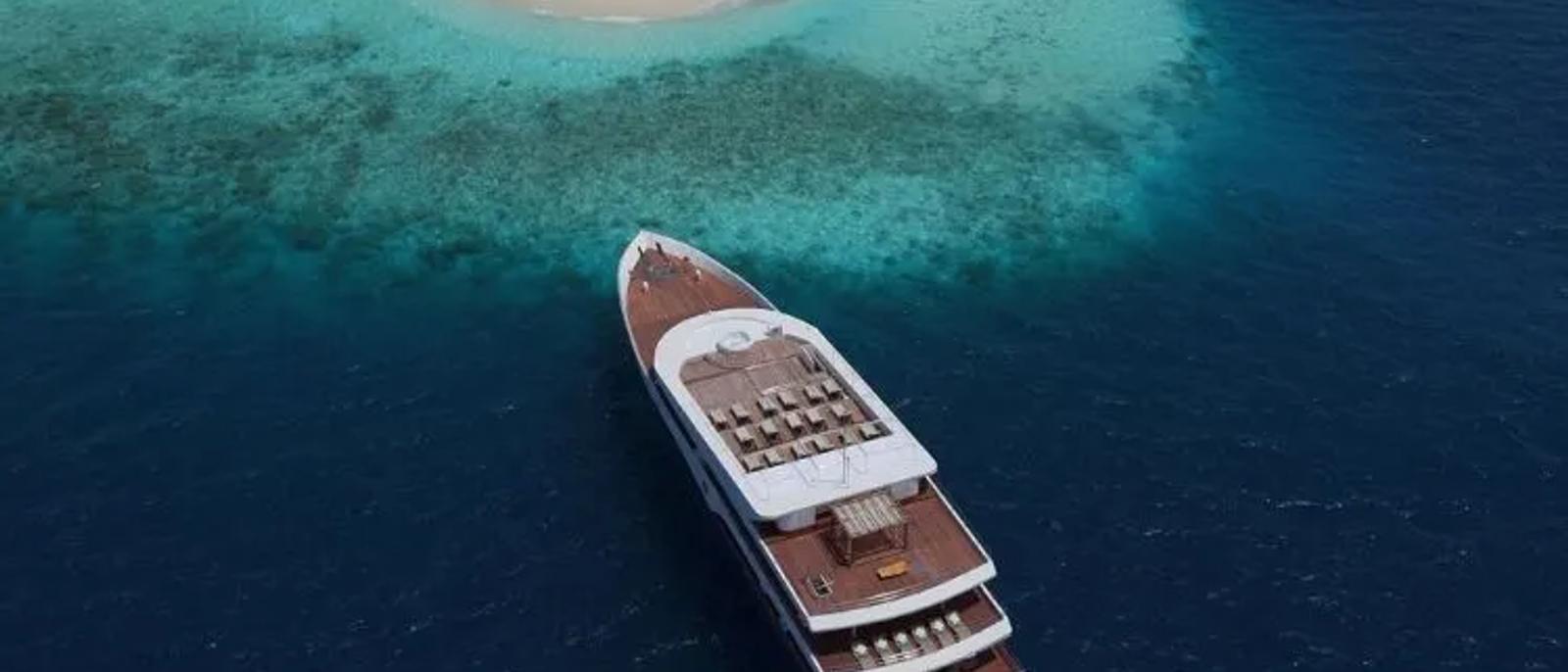
Your Maldives experience begins at Velana International Airport near Malé, then continues by speedboat, seaplane, domestic flight, yacht, or a combination. Speedboat resorts are usually closer to Malé and convenient for short stays, families with young children, or travelers arriving later in the day. Yacht transfers at ultra-luxury resorts feel especially smooth and private.
Seaplane transfers are part logistics, part experience. The aerial view of the atolls is unforgettable — rings of reef, blue channels, sandbanks, and islands scattered across the ocean. But seaplanes generally operate in daylight and may involve waiting time, luggage limits, and weather considerations. When choosing a resort, do not treat transfer time as an afterthought. A 15-minute speedboat and a 45-minute seaplane create very different arrival days.
Visa and Entry Requirements
Most nationalities — including UK, EU, US, Australian, and GCC passport holders — receive a free 30-day visa on arrival to the Maldives. You will need a valid passport with at least 6 months validity, a return or onward ticket, and confirmation of accommodation. Entry is straightforward for most travelers. Some nationalities require a pre-arranged visa — always verify with the Maldives Immigration website before travel.
What to Do Beyond the Villa
The Maldives is at its best when you balance stillness with carefully chosen moments. Villa time matters. Waking slowly, stepping into the lagoon, reading in the shade, and dining without hurry are part of the destination's healing power. But the most memorable trips include experiences that connect you to the ocean and culture around you.
- Snorkeling with a marine biologist on the house reef
- Visiting a local Maldivian island respectfully and experiencing island culture
- Sunrise yoga or sound healing at a wellness resort
- Private beach dinner or sandbank picnic arranged by IMJ
- Sunset dhoni cruise through the channels between islands
- Underwater restaurant dining or chef's table experiences
How IMJ Turns Planning Into Ease
The hardest part of planning the Maldives is not finding beautiful resorts. It is knowing which beauty belongs to you. IMJ simplifies that choice through conversation. We ask about your rhythm, your priorities, your travel companions, your budget comfort, your privacy expectations, and the feeling you want to return home with.
Then we translate that into practical decisions: atoll, resort, villa category, sunrise or sunset orientation, meal plan, transfer type, experiences, dining reservations, and special touches. We also help avoid common mismatches — booking a water villa when a beach villa would work better for children, or choosing a famous resort with the wrong mood.
Ready to plan your Maldives trip? IMJ handles every detail — resort, villa, transfer, experiences, and pre-arrival arrangements. Start with a conversation on WhatsApp.
In short
- The Maldives is not one destination — your choice of atoll and resort defines the entire character of the trip.
- January–April is the dry season and peak quality period; the monsoon season (June–October) offers better value and quieter resorts.
- Most nationalities receive a free 30-day visa on arrival — but always verify current entry requirements before travel.
- Seaplane transfers operate daylight hours only — late flights often mean an overnight in Malé.
- The best experiences are pre-booked: marine biologist snorkeling, private beach dinners, and dolphin cruises sell out in peak season.
- IMJ matches you to the right island through conversation — not packages — and handles every detail from first message to return transfer.
IMJ Travels · May 2026