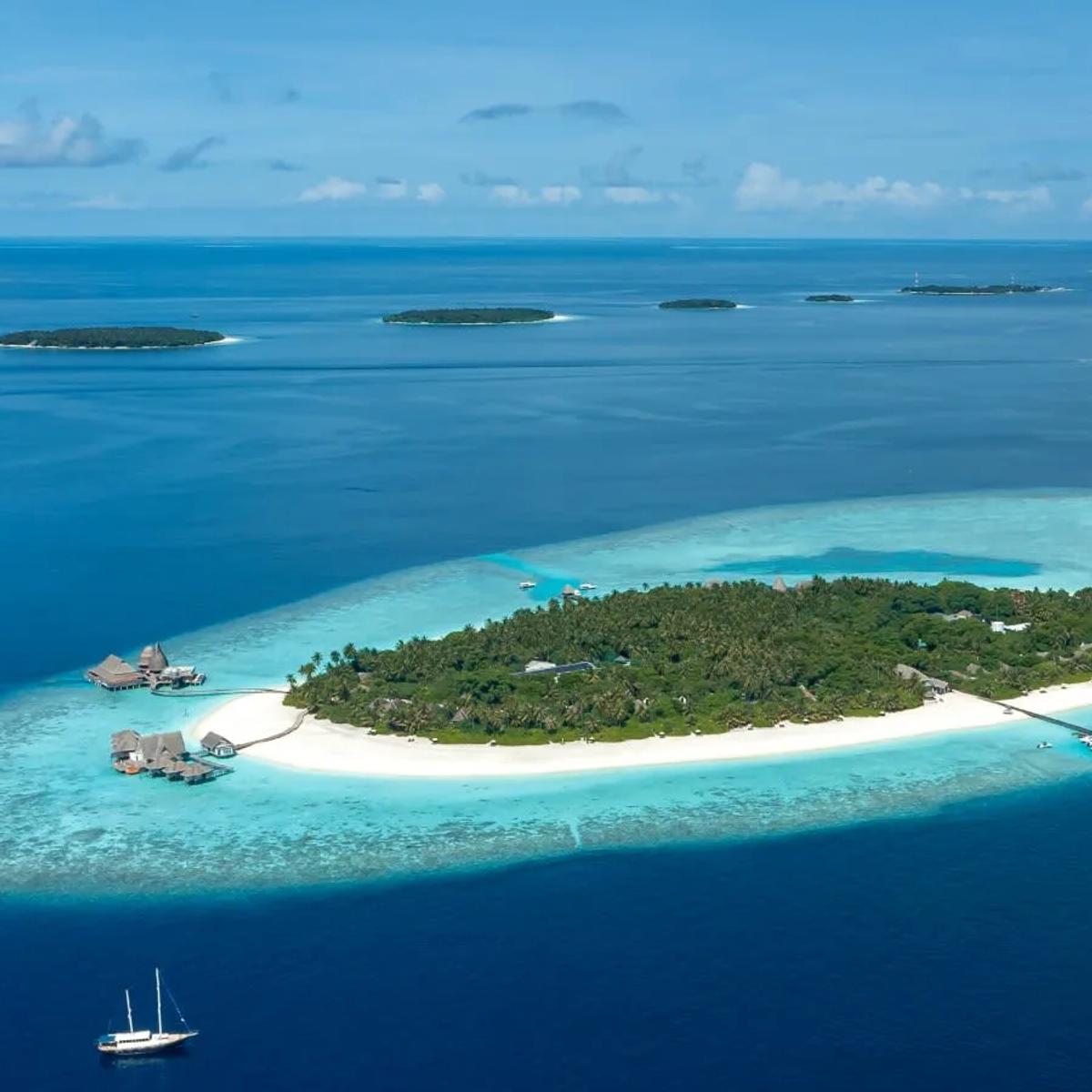
Experiences · 8 min read · June 2026
Maldives Diving and Snorkelling: A Guide to the Ocean Beneath
The Maldives is among the world's best marine destinations for both divers and snorkellers. IMJ explains what makes the reefs exceptional — and how to choose a resort that genuinely delivers below the surface.
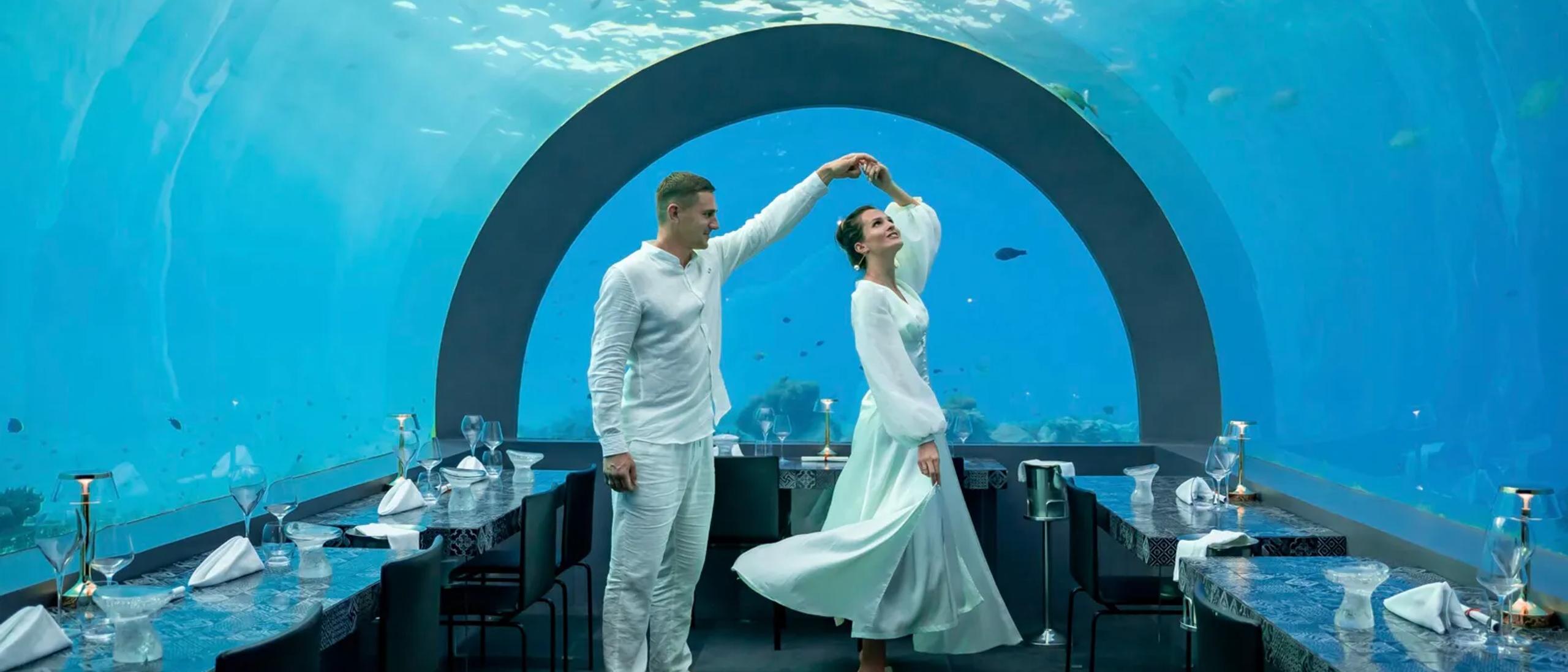
The Maldives is not just beautiful above the waterline. The reefs are some of the most biodiverse in the Indian Ocean — home to whale sharks, manta rays, hammerheads, turtles, Napoleon wrasse, and hundreds of reef fish species. The right resort makes the ocean accessible from your villa door.
The Maldives is often sold on surface beauty — the turquoise lagoon, the overwater villas, the white sand. But for many guests, the most profound experiences happen below the waterline. The Indian Ocean surrounding the Maldives is one of the most biodiverse marine ecosystems on the planet: a world of coral formations, cleaning stations, channel currents carrying pelagic life, and encounters with animals that represent the apex of ocean majesty.
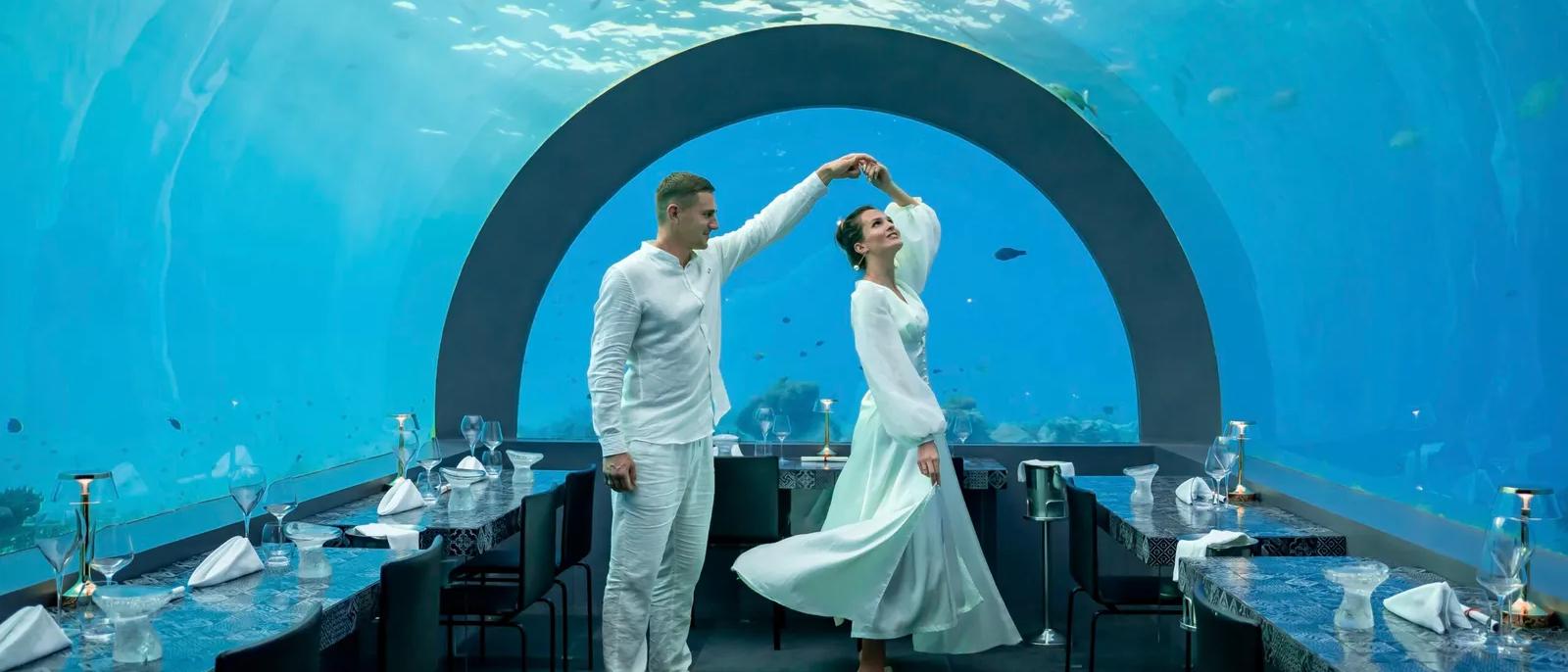
Snorkelling in the Maldives
The Maldives is one of the world's great snorkelling destinations because the marine environment is so accessible. Most luxury resorts have a house reef — a living coral reef structure that encircles or borders the island — that can be entered directly from a beach or villa steps. No boat, no boat schedule, no crowd. You put on your mask at 7am and encounter a turtle in the first two minutes.
The quality of house reefs varies significantly between resorts. Some — Soneva Jani, Anantara Kihavah, Velaa Private Island — have exceptional, well-preserved reefs with high fish density and consistent encounters. Others have limited or damaged reefs that require a boat trip to reach productive snorkelling. IMJ assesses house reef quality and accessibility as a primary filter when recommending resorts to guests who prioritise ocean time.
Snorkelling is suitable for all abilities in the Maldives. The water is warm (27–30°C), calm in most conditions, and the lagoons within the reef are shallow and forgiving for beginners. Most luxury resorts provide snorkelling equipment complimentarily. A quality mask makes a significant difference — if you have your own fitted mask, bring it.
Diving in the Maldives
The Maldives is a globally ranked dive destination, with world-class sites spread across its 26 atolls.
The Maldives is a globally ranked dive destination, with world-class sites spread across its 26 atolls. The combination of warm water, extraordinary visibility (20–30 metres in ideal conditions), dramatic channel dives, and pelagic encounters makes it compelling for divers of every experience level.
All luxury resorts have a PADI-accredited dive centre. For non-certified divers, Discover Scuba Diving (a single guided introduction dive in shallow, controlled conditions) is widely available. For Open Water, Advanced, and Rescue diver courses, the relaxed pace of a resort stay is actually ideal — classroom sessions in the morning, dives in the afternoon. The water conditions make learning pleasant.
Experienced divers will find the Maldives endlessly rewarding. Thilas (underwater pinnacles surrounded by channels with current) produce dramatic drift dives with schools of sharks, jack, and eagle ray. Cave systems in Baa Atoll. Hammerhead cleaning stations in North Malé. Whale shark aggregations in South Ari Atoll. The diversity of dive sites is exceptional.
Marine Life by Season
| Marine Life | Best Season | Best Atoll | Notes |
|---|---|---|---|
| Manta rays | Jun–Nov (wet season) | Baa Atoll (Hanifaru Bay) | Plankton-rich monsoon water draws hundreds of mantas to feed |
| Whale sharks | Year-round; Dec–Apr peak | South Ari Atoll | Most reliably encountered at South Ari resorts like LUX* |
| Hammerhead sharks | Jun–Jul | North Malé Atoll channels | Dawn dives at specific cleaning stations |
| Reef sharks (grey and white tip) | Year-round | All atolls | Common on most healthy house reefs |
| Turtles | Year-round | All atolls | Hawksbill and green turtles frequently seen snorkelling |
| Dolphins | Year-round | All atolls | Spinner dolphins common; sunset cruises reliably encounter them |
| Napoleon wrasse | Year-round | All atolls | One of the reef's most charismatic large residents |
| Reef fish (parrotfish, lionfish, moray eels) | Year-round | All atolls | Abundant on any healthy house reef |
Best Atolls for Diving and Snorkelling
Baa Atoll is the single most compelling atoll for manta ray encounters. Its UNESCO Biosphere Reserve status reflects exceptional marine biodiversity, and Hanifaru Bay — accessible from resorts including Four Seasons Landaa Giraavaru and Anantara Kihavah — is one of the world's great wildlife spectacles during peak manta season (June–November). Baa Atoll also has strong coral coverage and consistent visibility.
South Ari Atoll is the world's most reliable location for whale shark encounters year-round. Resorts including LUX* South Ari Atoll position themselves around this unique draw, with dedicated whale shark excursions as part of the standard experience offering.
North and South Malé Atoll have a dense concentration of dive sites — the proximity to Malé means the diving infrastructure is well-developed. Sites like Fish Head, Kuda Thila, and HP Reef (Maaya Thila) are legendary in Maldives diving circles. Noonu Atoll has some of the Maldives' most pristine, less-dived reef structures.
Choosing a Resort for the Ocean
Not all resort marketing photographs are honest about house reef quality. Some resorts show exceptional reef photography taken on dive excursions — not from the house reef. IMJ specifically assesses the quality of the house reef, proximity to strong dive sites, and the calibre of the resort's dive centre team when recommending resorts to guests for whom ocean time is a priority.
IMJ Travels · June 2026